
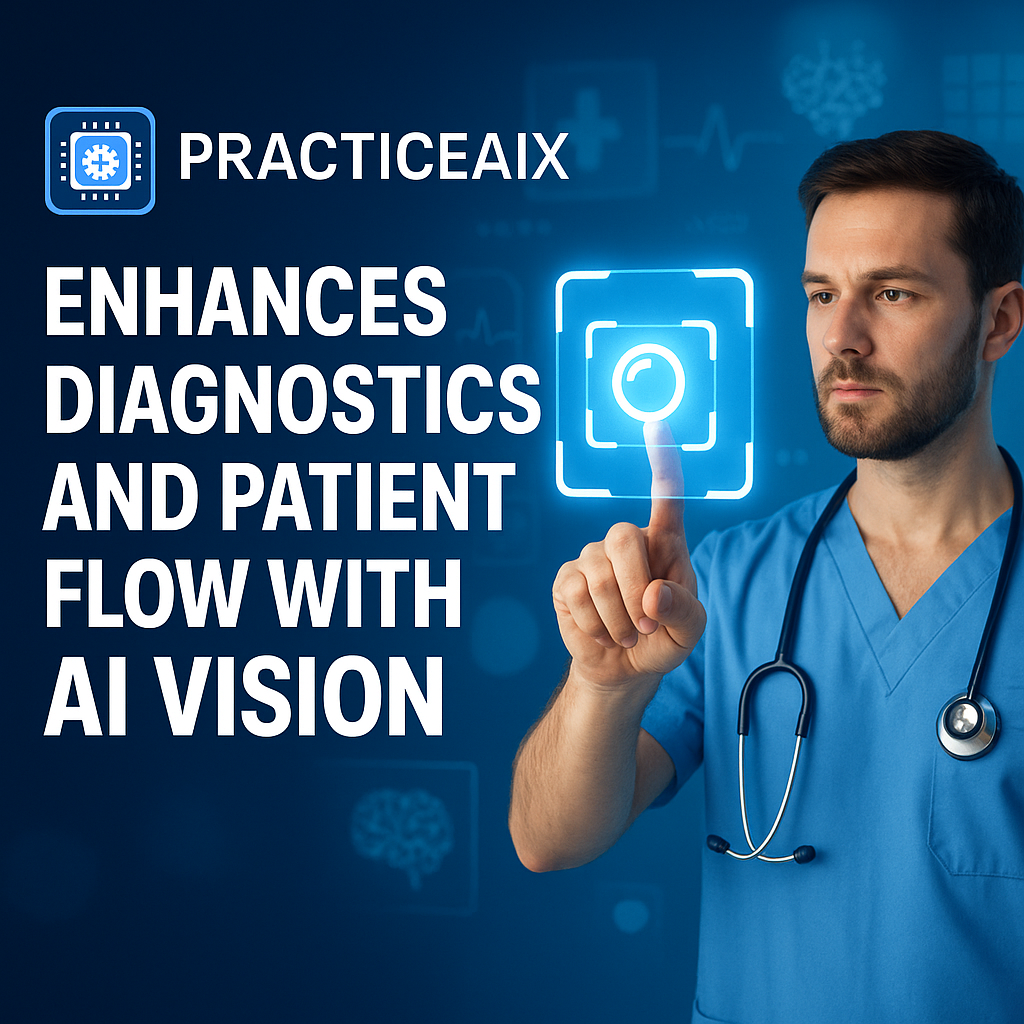
PracticeAIx Enhances Diagnostics and Patient Flow with AI Vision
How PracticeAIx Uses AI Vision to Improve Diagnostics, Intake, and Patient Flow
In the ever-evolving world of healthcare, staying on the cutting edge of technology is imperative. With the integration of Artificial Intelligence (AI), hospitals and clinics are witnessing revolutionary changes in how care is delivered, managed, and optimized. PracticeAIx, a leading AI technology developer, is at the forefront of enhancing diagnostic accuracy, streamlining patient intake, and optimizing patient flow through the innovative application of AI vision. Here’s how they’re making significant strides.
Enhancing Diagnostic Precision with AI Vision
Early Detection and Diagnosis
AI vision systems developed by PracticeAIx are transforming the landscape of medical diagnostics. These systems leverage deep learning algorithms to analyze imaging data more accurately than ever before. For instance, in radiology, PracticeAIx’s AI algorithms can detect anomalies in X-rays and MRIs that might be too subtle for the human eye.

Consistency and Speed
AI algorithms are exceptionally good at maintaining consistency. They don’t suffer from fatigue or variability in the same way that human radiologists do. This leads to higher consistency in diagnostic procedures, ensuring that patients receive the right diagnosis in a timely manner.
Streamlining Patient Intake Procedures
Automated Data Entry
The first point of interaction in any healthcare setting is patient intake. By utilizing AI-driven optical character recognition (OCR), PracticeAIx systems can quickly scan and digitize patient documents, such as ID cards and medical history forms, reducing manual data entry errors and wait times.

Enhanced Patient Assessment
Upon entry, AI-enabled systems assess preliminary data, efficiently directing patients to the appropriate care setting. This triage process is crucial in large healthcare establishments where directing traffic effectively can drastically reduce bottlenecks.
Optimizing Patient Flow within Healthcare Facilities
Real-Time Location Systems
PracticeAIx AI vision software integrates with real-time location systems (RTLS) to track and manage the flow of patients, staff, and equipment within a healthcare facility. This is crucial in emergency rooms and large hospitals where managing multiple areas efficiently can affect operational throughput and patient care quality.
Predictive Analytics for Bed Management
Using historical data and current patient intake, AI vision systems can predict patient admission rates and recommend optimal allocation of beds and resources. This ensures that the facility can accommodate incoming patients without unnecessary delays or overcrowding.
The Impact of AI Vision on Patient Experience
Reduced Wait Times
By automating and optimizing several processes, from diagnostics to patient routing, PracticeAIx’s AI systems significantly reduce wait times. This not only improves patient satisfaction but also enhances the overall efficiency of healthcare providers.
Personalized Patient Care
With the data collected and analyzed by AI, healthcare providers can offer more personalized care. AI systems help in creating detailed patient profiles, which are used to tailor treatment plans that better meet the specific health needs of individual patients.
Increased Accuracy and Safety
AI-driven systems minimize human error, enhance diagnostic accuracy, and ensure a higher standard of patient care and safety. By supporting medical professionals with reliable data and insights, AI vision technologies help in making informed decisions swiftly.
Conclusion
PracticeAIx is revolutionizing healthcare through its state-of-the-art AI vision technologies. By improving diagnostics, streamlining intake procedures, and optimizing patient flow, they are not only enhancing the operational aspects of healthcare but are also drastically improving patient outcomes and experiences. As AI continues to evolve, its integration into healthcare systems like PracticeAIx represents a promising advancement towards more effective, efficient, and patient-centered healthcare.