
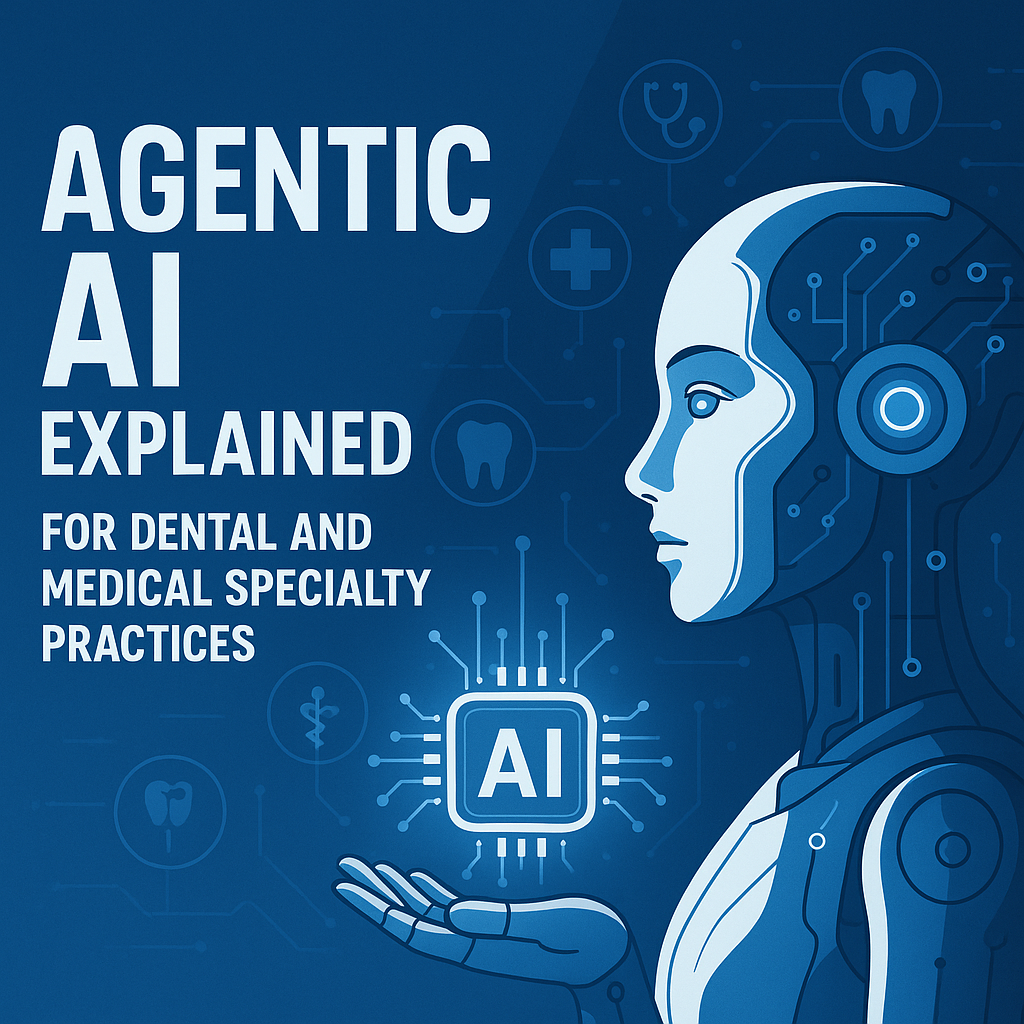
Agentic AI Explained for Dental and Medical Specialty Practices
The Ultimate Guide to Agentic AI for Dental, Medical, and Specialty Practices
In today’s rapidly evolving healthcare environment, technology is not just an add-on but a crucial component of daily operations. Agentic AI, an advanced form of artificial intelligence that can make autonomous decisions and interact actively with its environment, is leading the charge in transforming dental, medical, and specialty practices. This guide delves into how agentic AI can streamline operations, improve patient outcomes, and ensure a more efficient practice management.
What is Agentic AI?
Agentic Artificial Intelligence refers to AI systems that can act independently and make decisions without human input. These systems are designed to handle complex tasks by learning from their environments and improving over time. In healthcare, this technology promises to revolutionize the way professionals diagnose diseases, manage patient information, and execute treatment plans.

Benefits of Agentic AI in Healthcare Practices
Enhanced Diagnostic Accuracy
- Faster Diagnosis: Agentic AI can process large volumes of medical data in seconds, providing quick and accurate diagnoses.
- Reduced Errors: By minimizing human error, AI helps in accurate patient evaluation, ensuring treatments are better targeted and effective.
Improved Operational Efficiency
- Automated Administrative Tasks: From scheduling appointments to processing billing, AI can manage routine tasks, freeing up staff to focus on patient care.
- Resource Management: AI systems help in optimizing resource allocation, ensuring that medical supplies and personnel are used effectively.
Personalized Patient Care
- Customized Treatment Plans: AI can analyze patient data and past treatment outcomes to suggest personalized treatment plans.
- Continuous Monitoring: With AI, patient health can be monitored continuously, allowing for timely interventions when necessary.
Data Security and Compliance
- Secure Data Handling: AI systems equipped with advanced security protocols can safeguard patient information.
- Regulatory Compliance: By keeping up-to-date with the latest regulations, AI ensures that practices are always compliant with health laws and standards.
Implementing Agentic AI: Step-by-Step Guide
Step 1: Assess Your Needs
Before integrating AI into your practice, identify the areas where you need the most help. Whether it’s scheduling, billing, diagnostics, or patient engagement, understanding your needs will help pinpoint the right AI solutions.
Step 2: Choose the Right AI Provider
- Expertise in Healthcare: Choose a provider with proven experience in healthcare AI.
- Compliance and Security: Ensure the AI provider complies with healthcare regulations like HIPAA.
Step 3: Training Your Team
- Onboarding Sessions: Conduct comprehensive training sessions for your staff to familiarize them with the new technology.
- Ongoing Support: Make sure your AI provider offers ongoing support and training to handle any emerging issues.
Step 4: Monitor and Evaluate
- Regular Audits: Conduct regular audits to assess the impact of AI on your practice.
- Feedback Loop: Use feedback from staff and patients to improve AI integration continuously.
Challenges and Considerations
Ethical and Privacy Concerns
Implementing AI in healthcare comes with significant ethical implications, particularly concerning patient privacy. It’s crucial to address these issues transparently and ensure patient data is handled with the utmost care.

Resistance to Change
Resistance from staff could be a significant hurdle. Regular training and demonstrating the benefits of AI can help in smoothing the transition.
Cost
Although initially costly, the long-term benefits, such as improved efficiency and reduced operational costs, often justify the investment in AI technology.
Conclusion
The integration of agentic AI into dental, medical, and specialty practices is not just a future possibility—it’s a current reality that’s reshaping healthcare. By automating routine tasks, enhancing diagnostic precision, and personalizing patient care, AI is setting the stage for more dynamic, efficient, and patient-centered healthcare services. As we move forward, it’s vital for healthcare providers to embrace these technological advances to stay competitive and provide the best possible care.